
TODAY’S WORD | from Hiragana Times “Japan Savvy”
暇つぶし
hi · ma · tsu · bu · shi
Say it in 5 beats: hi-ma-tsu-bu-shi
暇 hima = free time + つぶす tsubusu = to crush
“killing time”
On the train, you open a game on your phone “just to kill a little time.” In Japanese, that is 暇つぶし (himatsubushi).
English kills time. Japanese crushes it: つぶす (tsubusu) means “to crush.” Start with this everyday word, and the Japan Savvy page of Hiragana Times takes you back a thousand years, to the games people played to get through their idle hours.
Read and say 暇つぶし, see how it is built, meet the old words つれづれ (tsurezure) and なぐさむ (nagusamu), and answer one question in Japanese: “How do you kill time?” Allow about 15–20 minutes.
How to read the Japanese on this page: small hiragana under each kanji show how to read it. Under each Japanese line you’ll find romaji (gray) and English.
Read & Say | 暇つぶし, sound by sound
暇つぶし has 5 beats. In Japanese, each beat takes the same length of time. The kanji 暇 alone is read ひま (hima): 2 beats.
- Keep the beats even. English speakers tend to push hard on one syllable (HI-ma-tsu-BU-shi). Instead, give all five beats the same length, like a steady clock: hi-ma-tsu-bu-shi.
- つ (tsu) is one sound, like the “ts” at the end of “cats,” followed by a very short “u.” It is not “too.”
- ぶ (bu): the Japanese “u” is short, with relaxed lips that don’t round. It is not “boo.”
- し (shi) sounds like English “she,” but shorter.
How do you kill time? | Your himatsubushi
Think first: When you are waiting for a bus, or have nothing to do, what do you do to kill time? A game on your phone, a book, a round of cards? A note in any language is fine.
Read & Listen | himatsubushi in Hiragana Times
Here is the Japan Savvy page “つれづれなぐさむもの――日本人の遊び” (Things That Comfort Idle Hours — The Play of the Japanese). It opens with 暇つぶし. Read the English first, then try the Japanese.
“Just to kill a little time.” It is a phrase often said when opening a game on a smartphone.
「ちょっと暇つぶしに」。スマホでゲームを開くとき、よく口にする言葉です。
“Chotto himatsubushi ni.” Sumaho de gēmu o hiraku toki, yoku kuchi ni suru kotoba desu.
The Japanese of a thousand years ago did the same thing.
千年前の日本人も、同じことをしていました。
Sennen mae no Nihonjin mo, onaji koto o shite imashita.
Sei Shonagon, a woman writer of the Heian period, writes this in “The Pillow Book.”
平安時代の女性作家、清少納言は『枕草子』にこう書いています。
Heian jidai no josei sakka, Sei Shōnagon wa “Makura no Sōshi” ni kō kaite imasu.
“Things that comfort idle hours. Go. Sugoroku. Tales.”
「つれづれなぐさむもの。碁。双六。物語。」
“Tsurezure nagusamu mono. Go. Sugoroku. Monogatari.”
“Tsurezure” means having nothing to do and being bored.
「つれづれ」とは、することがなく退屈なこと。
“Tsurezure” to wa, suru koto ga naku taikutsu na koto.
The things that would “nagusamu” it — that is, lift one’s spirits — were go and sugoroku.
それを「なぐさむ」、つまり気を晴らしてくれるものが、碁や双六でした。
Sore o “nagusamu”, tsumari ki o harashite kureru mono ga, go ya sugoroku deshita.
In an age without the word “game,” play was “nagusami.”
「ゲーム」という言葉のない時代、遊びは「なぐさみ」だったのです。
“Gēmu” to iu kotoba no nai jidai, asobi wa “nagusami” datta no desu.
Before long, in the 16th century, Portuguese ships bring a new form of play. It is “karuta.”
やがて16世紀、ポルトガルの船が新しい遊びを運んできます。「カルタ」です。
Yagate 16 seiki, Porutogaru no fune ga atarashii asobi o hakonde kimasu. “Karuta” desu.
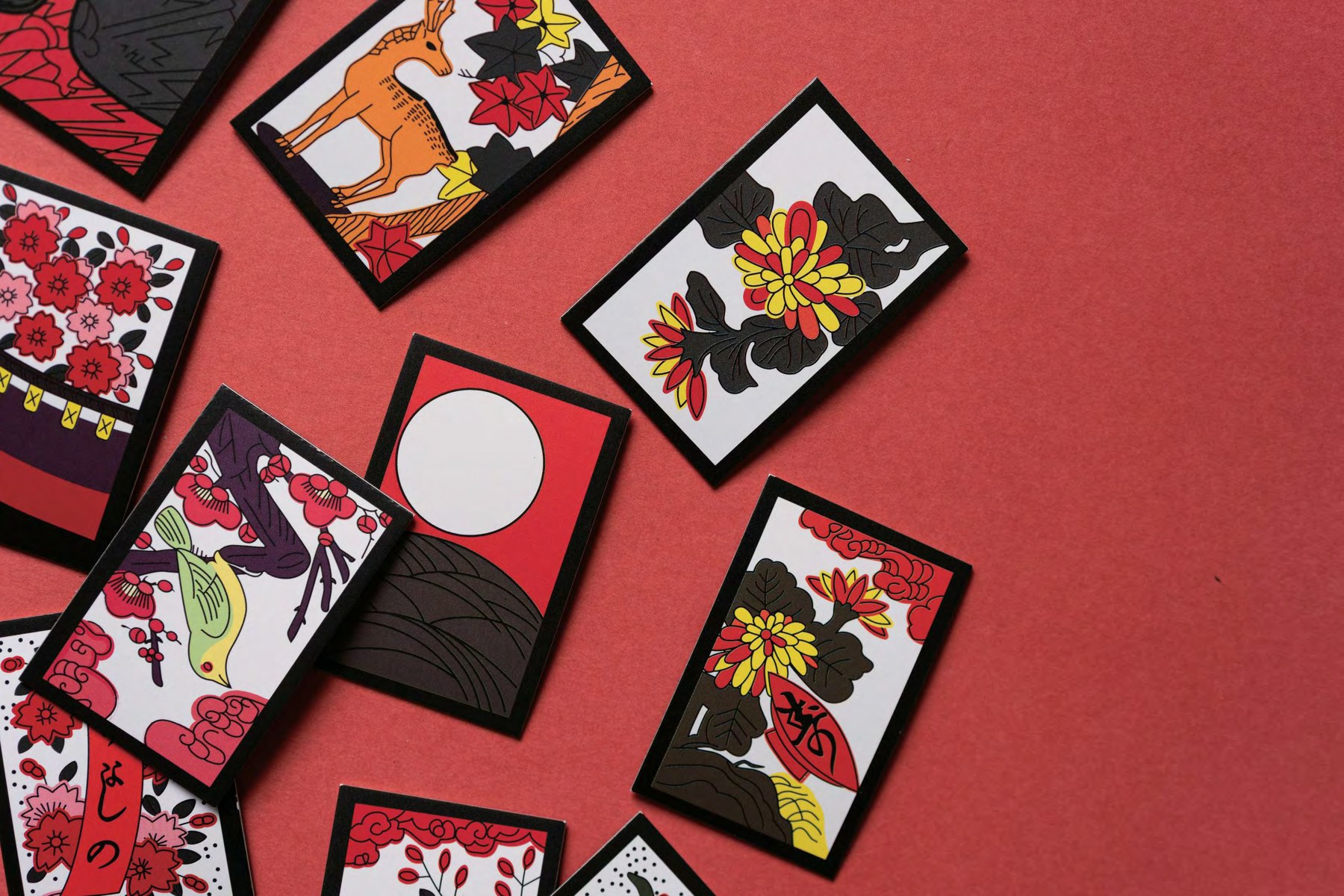
The Japanese remade it and created “hanafuda,” with flowers and birds drawn on them.
日本人はこれを作り替え、花や鳥を描いた「花札」を生みました。
Nihonjin wa kore o tsukurikae, hana ya tori o egaita “hanafuda” o umimashita.
The Kyoto shop that made those hanafuda is today’s Nintendo.
その花札を作っていた京都の店が、今の任天堂です。
Sono hanafuda o tsukutte ita Kyōto no mise ga, ima no Nintendō desu.
Though the form has changed, the wisdom of turning dull time into enjoyment is the same, in the past and now.
形は変わっても、退屈な時間を楽しみに変える知恵は、昔も今も同じです。
Katachi wa kawatte mo, taikutsu na jikan o tanoshimi ni kaeru chie wa, mukashi mo ima mo onaji desu.
Listening point: The audio has both English and Japanese. In the Japanese, listen for 暇つぶし (himatsubushi), つれづれ (tsurezure) and なぐさむ (nagusamu).
The example sentences, conversation and quiz below were written by We Languages for learning. They are not quotes from the article.
Inside the Word | 暇 + つぶす
Take 暇 (hima, free time, time with nothing to do), add つぶす (tsubusu, to crush), and you get 暇つぶし: “crushing free time.” The verb つぶす changes to つぶし (tsubushi) so it can work as a noun, much like “kill” becomes “killing” in “killing time.”
Pattern: 暇つぶしに[action] = “[action] to kill time.” The Hiragana Times line 「ちょっと暇つぶしに」 (chotto himatsubushi ni) stops right there; everyone knows what comes next. ちょっと (chotto) softens it, just like “a little” in “just to kill a little time.”
電車で、暇つぶしにゲームをする。
Densha de, himatsubushi ni gēmu o suru.
I play games on the train to kill time.
暇つぶしに、本を読んだ。
Himatsubushi ni, hon o yonda.
I read a book to kill time.
Before himatsubushi | tsurezure and nagusamu
A thousand years ago, Sei Shonagon wrote about 暇つぶし with other words. As Hiragana Times explains, つれづれ (tsurezure) means having nothing to do and being bored, and なぐさむ (nagusamu) is what lifts one’s spirits. Today’s everyday word for “bored” or “boring” is 退屈 (taikutsu).
雨の日は退屈だ。
Ame no hi wa taikutsu da.
Rainy days are boring.
退屈だから、暇つぶしをしよう。
Taikutsu da kara, himatsubushi o shiyō.
I’m bored, so let’s find a way to kill time.
- One word, two meanings: English needs “bored” (how you feel) and “boring” (what makes you feel that way). Japanese 退屈 covers both, as the two examples above show.
- つれづれ and なぐさむ are old words. You will meet them in classical literature rather than in everyday conversation.
Key Words | Words to talk about himatsubushi
| Japanese | Romaji | English |
|---|---|---|
| 暇つぶし | himatsubushi | killing time |
| 暇 | hima | free time |
| つぶす | tsubusu | to crush |
| 口にする | kuchi ni suru | to say, to utter |
| つれづれ | tsurezure | idle hours, having nothing to do |
| 退屈 | taikutsu | boredom, boring |
| なぐさむ | nagusamu | to comfort, to amuse |
| 遊び | asobi | play |
Mini Dialogue | Use himatsubushi in a conversation
A and B are waiting for a train. This is casual Japanese between friends.
A:何してるの?
Nani shiteru no?
What are you doing?
B:ちょっと暇つぶしに、ゲーム。
Chotto himatsubushi ni, gēmu.
Just a game, to kill a little time.
A:退屈なの?
Taikutsu na no?
Are you bored?
B:うん。電車が来ないから。
Un. Densha ga konai kara.
Yeah. The train isn’t coming.
A:千年前の人は、碁で暇つぶししてたんだって。
Sennen mae no hito wa, go de himatsubushi shiteta n datte.
I heard people a thousand years ago killed time playing go.
- 〜の? (no?) = a casual question, said with rising intonation.
- 〜から (kara) = “because.” It comes after the reason.
- 〜んだって (n datte) = “I heard that …” Use it to pass on something you heard or read.
Quiz | himatsubushi check
Q1. How many beats does 暇つぶし have?
a) 5 (hi-ma-tsu-bu-shi) b) 4 (hi-ma-tsubu-shi) c) 3 (hima-tsu-bushi)
Answer
a) ひ・ま・つ・ぶ・し: each kana is one beat, and つ (tsu) is a single sound.
Q2. Which old word means “having nothing to do and being bored”?
Answer
a) つれづれ is the boredom of idle hours. なぐさむ is what lifts it, and 双六 was one of the games that did so.
Q3. Which word fits the blank? “I play games on the train to kill time.”
電車で、___にゲームをする。
Answer
a) 電車で、暇つぶしにゲームをする。 (Densha de, himatsubushi ni gēmu o suru.) The pattern is 暇つぶしに[action].
Q4. In “The Pillow Book,” what did Sei Shonagon name as “things that comfort idle hours”?
a) go, sugoroku and tales b) karuta and hanafuda c) games on a smartphone
Answer
a) 「つれづれなぐさむもの。碁。双六。物語。」 Karuta arrived later, on Portuguese ships in the 16th century.
Your Voice | What is your himatsubushi?
Question: How do you kill time?
あなたは、どうやって暇つぶしをしますか。
Anata wa, dō yatte himatsubushi o shimasu ka.
- Say how you kill time: [way]で暇つぶしをする。 (… de himatsubushi o suru.)
- Add what you do when you are bored: 退屈なときは、[action]。 (Taikutsu na toki wa, …)
- Read it aloud once, then say it again without looking.
スマホで暇つぶしをする。退屈なときは、本を読む。
Sumaho de himatsubushi o suru. Taikutsu na toki wa, hon o yomu.
I kill time on my phone. When I’m bored, I read a book.
Reflect: Can you say 暇つぶし in 5 even beats — and explain to a friend that English kills time, while Japanese crushes it (つぶす)?
Write your answer in the comments below — a We coach will reply.
Speak Your Language | Make 暇つぶし yours
Practice is not the goal. The goal is to make 暇つぶし your own word — and say what you really feel, in Japanese.
A new language gives you a new way to see the world, and a new self. Hiragana Times brings you real Japan every month, with English and Japanese side by side.
Speak Your Language.
Read the full article in Hiragana Times →
Learn Japanese through real Japan with We Languages — free consultation →