
TODAY’S WORD
詰んだ
tsunda
3 beats: tsu-n-da
もう詰んだ mō tsunda = I’m done for + まだ詰んでいない = it’s not over yet
“I’m done for.”
11:58 p.m. You run to the station — and watch the last train pull away. Your phone is at 2%.
A Japanese friend would sigh: もう詰んだ。 (Mō tsunda.) — “I’m done for.” It is casual, said among friends, often with a laugh.
Say “I’m done for” — and “not yet!” — with 詰んだ.
Read & Say | 詰んだ
詰んだ has 3 beats. In Japanese, each beat takes the same length of time.
- つ (tsu) starts with the “ts” at the end of “cats.” Don’t turn it into “soo” or “too.”
- ん (n) is a full beat. Hold it before だ: tsu-n-da, not “tun-da.”
- もう (mō) has a long o — two beats. Say もう詰んだ like a sigh.
When were you “done for”?
Think first: When did you last think “I’m done for”? A missed train, a forgotten wallet, an exam you didn’t prepare for?
Three ways to use 詰んだ
詰んだ is the casual past form of 詰む (tsumu). For verbs ending in む, change む to んだ — like 読む → 読んだ (yomu → yonda, read).
1. On its own — with もう (mō, already).
もう詰んだ。
Mō tsunda.
I’m done for.
2. With what went wrong.
終電がない。もう詰んだ。
Shūden ga nai. Mō tsunda.
The last train is gone. I’m done for.
3. Not yet! — with まだ (mada, still).
まだ詰んでいない。
Mada tsunde inai.
It’s not over yet.
詰んだ in a conversation
Aお昼、食べに行こう。
Ohiru, tabe ni ikō.
Let’s go get lunch.
Bあっ、財布を家に忘れた。もう詰んだ…。
A, saifu o ie ni wasureta. Mō tsunda…
Oh no, I left my wallet at home. I’m done for…
A大丈夫。貸すよ。
Daijōbu. Kasu yo.
Don’t worry. I’ll lend you some.
Bありがとう!まだ詰んでなかった。
Arigatō! Mada tsunde nakatta.
Thanks! Guess I’m not done for after all!
Quiz | 詰んだ
Q1. How many beats does 詰んだ have?
Answer
b) 3 — つ・ん・だ. ん is a full beat.
Q2. What is the casual past form of 飲む (nomu, to drink)?
Answer
b) 飲んだ (nonda) — む changes to んだ.
Q3. What does まだ詰んでいない mean?
Answer
“It’s not over yet.”
Where it comes from: shogi
FROM HIRAGANA TIMES
詰んだ started on a game board. The November 2026 issue of Hiragana Times, a bilingual magazine published in Japan since 1986, traces it back to 将棋 (shōgi), Japanese chess, in its “Japan Style” feature — and finds something chess does not have.
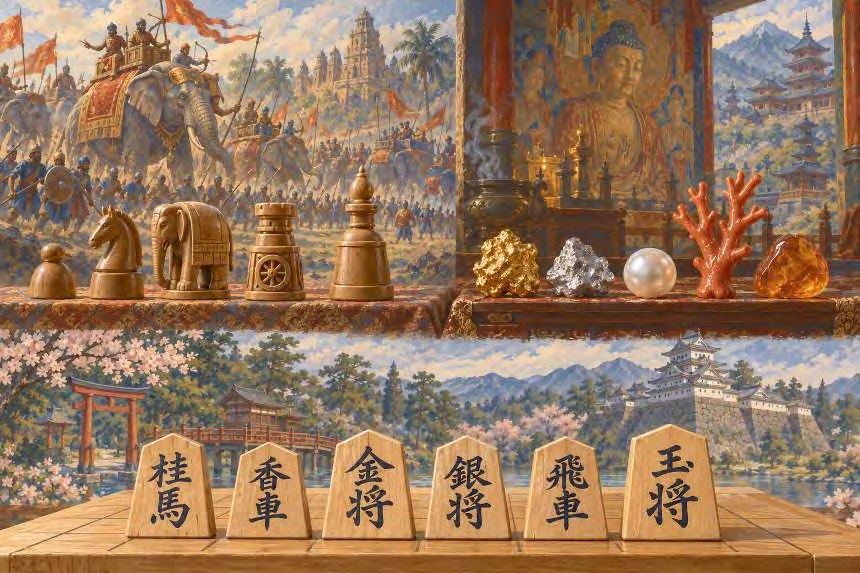
「もう詰んだ」。どうすることもできなくなったとき、日本人はこんな言い方をします。
“Mō tsunda.” Dō suru koto mo dekinaku natta toki, Nihonjin wa konna iikata o shimasu.
“Mou tsunda.” When there is nothing left to be done, Japanese people say this.
「詰む」は、もともと将棋で「王」が逃げられなくなること。
“Tsumu” wa, motomoto shōgi de “ō” ga nigerarenaku naru koto.
“Tsumu” originally means, in shogi, that the king can no longer escape.
ところが日本の将棋では、取られた駒は死にません。
Tokoro ga Nihon no shōgi de wa, torareta koma wa shinimasen.
In Japanese shogi, however, a captured piece does not die.
取った側の「持ち駒」となり、今度は味方として、盤の上に戻ってきます。
Totta gawa no “mochigoma” to nari, kondo wa mikata to shite, ban no ue ni modotte kimasu.
It becomes a “piece in hand” for the side that took it, and returns to the board, this time as an ally.
Other shogi words live in everyday Japanese too: 王手をかける (ōte o kakeru, to put the king in check — to be one step from winning), 先手を打つ (sente o utsu, to act first), and 成金 (narikin, nouveau riche).
Your Voice | When were you “done for”?
__。もう詰んだ。
… Mō tsunda.
… I’m done for.
- Describe a no-way-out moment in one short sentence.
- Add もう詰んだ。
- Like a captured piece coming back, bounce back: でも、まだ詰んでいない。
寝坊した。もう詰んだ。でも、まだ詰んでいない。
Nebō shita. Mō tsunda. Demo, mada tsunde inai.
I overslept. I’m done for. But it’s not over yet!
Write your answer in the comments below — a We coach will reply.
Speak Your Language | Make 詰んだ yours
Practice is not the goal. The goal is to make 詰んだ your own word — and laugh about a bad day in Japanese.
A new language gives you a new way to see the world, and a new self. Other lessons stop at the slang. We take you back to the shogi board it came from. That’s We.
Speak Your Language.
Read the full article in Hiragana Times →
Learn Japanese through real Japan with We Languages — free consultation →