

What Are The Most Common Phrases Used In a Japanese Classroom?
If you are learning the Japanese language you have to know some common phrases used in the classroom. Learning it physically in the classroom or online won't make the difference. Except for the greeting words, there are other expressions that will be useful for you. Here's a list of the 10 most common Japanese phrases […]
Top 4 Japanese drama series to watch and study Japanese
Bored with the same monotonous way of learning Japanese? All the intense and boring sessions could sometimes make you lose your motivation to be proficient in Japanese. Time to study Japanese in a different way. Let's combine watching some dramas with learning Japanese, and you’ll get the opportunity to improve while learning about Japanese culture. […]

3 Common Challenges When Learning Japanese and How to Overcome Them
Just move to Japan? Love Japanese culture, drama, or Anime? Many reasons make people want to start learning Japanese. However, learning Japanese is not an easy task, and it can be frustrating for some people. Not just the difficulties of dealing with thousands of kanjis to memorize, but there are more common personal reasons that […]
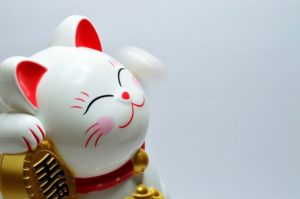
What The Red Cat in Japanese Stores? Maneki-Neko
What is Maneki-Neko? There are several tales regarding the origin of Maneki-Neko (招き猫尾). Some believe that Maneki-Neko originated as a Chinese money cat, or that it came from Osaka or Edo. Some slushy stories also existed, "Once, a cat slashed a woman in kimono and got beheaded" or "A hungry cat was fed and the […]
Better Leave it Unsaid 言わぬが花
Non-Japanese people often point out that the things Japanese people say can be rather vague and as a result it’s hard to know what they’re thinking. 日本人(にほんじん) は 言(い)うこと が あいまい で、何(なに) を 考(かんが) えている のか わからない と、外国人(がいこくじん) が よく 指摘(してき) します。 From the Japanese point of view, non-Japanese, in particular Westerners, seem to be […]
Causes of and Countermeasures for Heavy Rainfall 大雨の原因と対策
1. Since ancient times, the world’s civilizations, including the Egyptians and Mesopotamians, have sprung up alongside rivers. 太古 (たいこ) の 時代 (じだい) から、 エジプト や メソポタミア を はじめ、 世界 (せかい) の 文明 (ぶんめい) は 川沿 (かわぞ)い に 発展 (はっ てん) して き ました。 2. Rivers were not only used as transport routes, but also played […]
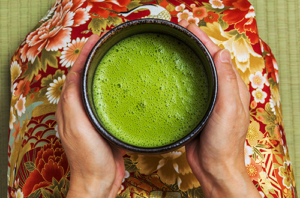
Master of Tea Ceremony
Master of Tea Ceremony who Discovered Unnoticeable Beauty [1]桜(さくら)が咲(さ)き乱(みだ)れる日本(にほん)の春(はる)は美(うつく)しい。しかし、その華(はな)やかさとは対照的(たいしょうてき)に「わびさび」の美(び)の世界(せかい)が日本(にほん)にはある。 Spring in Japan, where cherry blossoms bloom everywhere, is truly a sight to behold. However, in contrast to this wonderful sight, there is another world of beauty in Japan, “Wabi-sabi”. — [2]「わび」とは飾(かざ)りやおごりを捨(す)てた、簡素(かんそ)な味(あじ)わい。「さび」とは放置(ほうち)されていた中(なか)に潜(ひそ)む渋(しぶ)みの美(うつく)しさ。人(ひと)は華(はな)やかなものに心(こころ)を奪(うば)われがちだが、真(しん)の美(うつく)しさはひっそりと息(いき)づいているものの中(なか)にある。これがわびとさびの本質(ほんしつ)だ。 “Wabi” means “simple beauty” which does not include decoration and luxury. “Sabi” refers to […]
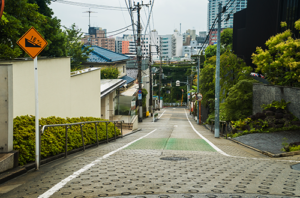
“No Way” Lesson from Pandemic
[1]人生(じんせい)には、三つの「坂」があると言われます。それは、「上り坂」「下り坂」「まさか」です。 It is said there are three”slopes”(saka or zaka) in life: “noborizaka” (unhill), “kudarizaka”(downhill) and “masaka”(no way). — [2]「まさか」は、思(おも)いがけない事態(じたい)に直面(ちょくめん)したときに使(つか)われます。2011年には想定外(そうていがい)の大地震(だいじしん)と、それに続(つづ)いて津波(つなみ)による原発事故(げんぱつじこ)が起(お)こりました。 ”Masaka” is used when facing an unexpected situation. In 2011 an earthquake struck out of the blue and this was followed by an incident at a nuclear powerplant caused by a tsunami. — [3]昨年末(さくねんまつ)には、中国(ちゅうごく)で突然(とつぜん)、新型(しんがた)コロナウィルスが発生(はっせい)し、瞬(またた)く間(ま)に世界(せかい)に広(ひろ)がりました。 At the […]
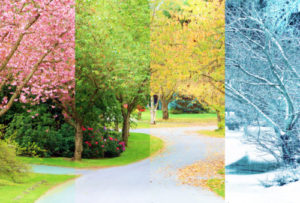
Proud of Japan’s Four Seasons
Japan has four seasons to enjoy in which spring, summer, autumn, and winter are almost equal in length.日本には、春、夏、秋、冬をほぼ均等の長さで楽しむことができる四季があります。 The Japanese enjoy the changes in season with seasonal dishes, clothing, festivals, and other events.日本人は旬の料理や衣替え、祭り、イベントなどで季節の変化を楽しみます。 There are many events reflecting the seasons, for instance, cherry blossom, viewing in spring, or wearing yukata (summer kimono) for lifework displays […]