

TODAY’S WORD
つい〜ちゃう
tsui … chau
Start with 2 beats: tsu-i
つい tsui = before I know it + 〜ちゃう -chau = I end up doing
“I just can’t help it!”
You go to a 100-yen shop for one thing. You come home with five. Your friend laughs: “Again?”
What do you say? つい買っちゃう。 (Tsui katchau.) — “I just end up buying things.” つい plus 〜ちゃう is how Japanese people talk about the things they can’t stop doing.
Say what you always end up doing with つい〜ちゃう.
Read & Say | つい買っちゃう
つい has 2 beats: つ・い. 買っちゃう (katchau) has 4: か・っ・ちゃ・う. In Japanese, each beat takes the same length of time.
- つ (tsu) is one beat — like the “ts” at the end of “cats,” then a short “u.”
- The small っ is a beat of silence: stop for a moment before ちゃ.
- ちゃ (cha) is one beat, not two.
What do you always end up doing?
Think first: What do you do “just one more time,” again and again — buying snacks, checking your phone, making things?
How to make 〜ちゃう
〜ちゃう is the casual form of 〜てしまう (-te shimau), “to end up doing.” Take the て-form and change て to ちゃう (で becomes じゃう).
| Verb | て-form | 〜ちゃう |
|---|---|---|
| 買う kau (to buy) | 買って katte | 買っちゃう katchau |
| 食べる taberu (to eat) | 食べて tabete | 食べちゃう tabechau |
| 作る tsukuru (to make) | 作って tsukutte | 作っちゃう tsukutchau |
| 読む yomu (to read) | 読んで yonde | 読んじゃう yonjau |
Add つい (tsui) in front: “before I know it, without meaning to.” For something that already happened, use 〜ちゃった (-chatta).
おいしくて、つい食べちゃう。
Oishikute, tsui tabechau.
It’s so good that I just keep eating.
夜、ついスマホを見ちゃう。
Yoru, tsui sumaho o michau.
At night, I always end up looking at my phone.
かわいくて、つい買っちゃった。
Kawaikute, tsui katchatta.
It was so cute that I bought it before I knew it.
Casual only: use 〜ちゃう with friends and family. In polite talk, say 〜てしまいます (-te shimaimasu).
つい〜ちゃう in a conversation
Aまた買ったの?
Mata katta no?
You bought more?
Bうん。100円だから、つい買っちゃうんだよね。
Un. Hyaku-en da kara, tsui katchau n da yo ne.
Yeah. It’s only 100 yen, so I just end up buying things.
Aわかる。わたしも、行くとつい見ちゃう。
Wakaru. Watashi mo, iku to tsui michau.
I know. When I go there, I can’t help looking around, too.
Quiz | つい〜ちゃう
Q1. What is the 〜ちゃう form of 食べる (taberu)?
Answer
a) 食べて → 食べちゃう.
Q2. You ate the whole cake before you knew it. What do you say?
Answer
a) It already happened, so use 〜ちゃった.
Q3. What is the polite form of 〜ちゃう?
Answer
〜てしまいます (-te shimaimasu).
When you truly can’t stop: 〜ずにいられない
FROM HIRAGANA TIMES
When the urge is strong — something you simply must do — Japanese has a stronger, more written way to say it: 〜ずにいられない (-zu ni irarenai), “can’t help doing.” The IBUKI column in the November 2026 issue of Hiragana Times, a bilingual magazine published in Japan since 1986, uses it in its title: 作らずにいられない人々, “People Who Can’t Help Making Things.”
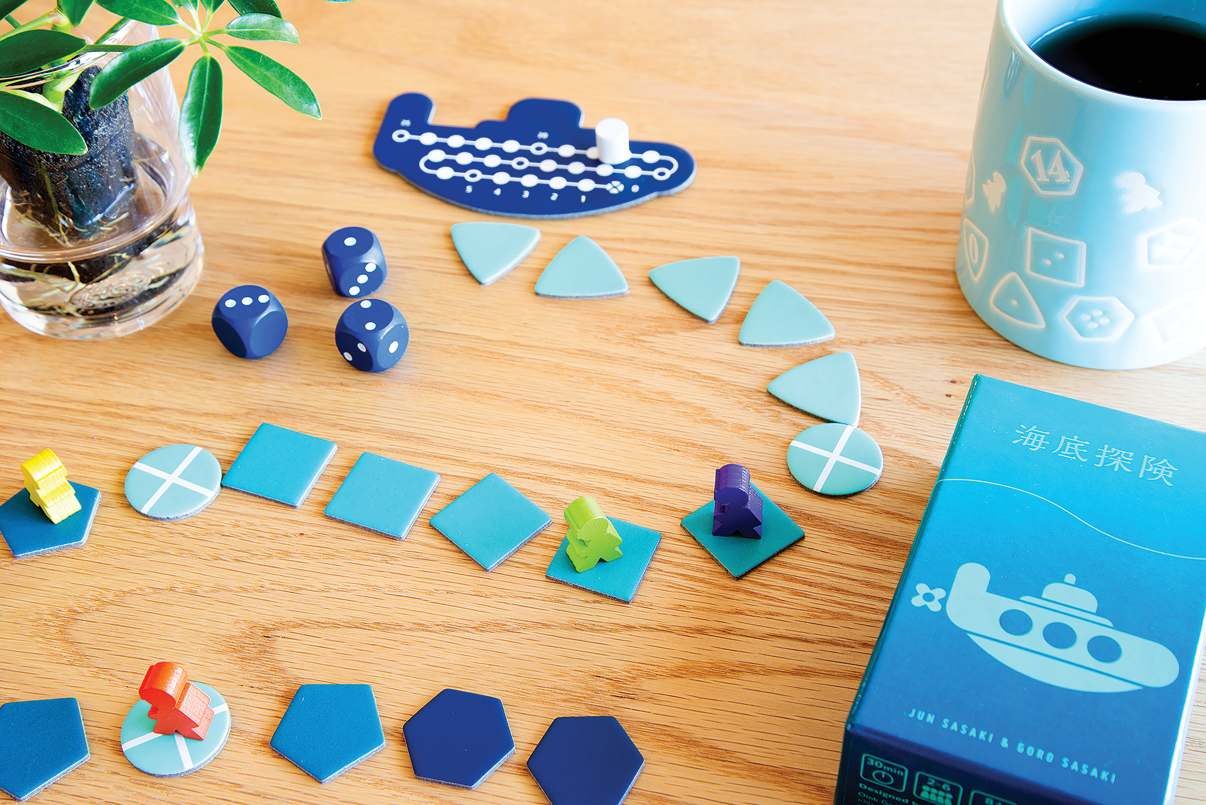
People Who Can’t Help Making Things
作らずにいられない人々
Tsukurazu ni irarenai hitobito
“Did you make that yourself?” It’s what people say without thinking when they see something a friend has made by hand.
「それ、自分で作ったの?」。友だちの手作りの品を見て、思わず口にする言葉です。
“Sore, jibun de tsukutta no?” Tomodachi no tezukuri no shina o mite, omowazu kuchi ni suru kotoba desu.
In Japan, there are many people who become absorbed in making things, even though no one asked them to.
日本には、誰に頼まれたわけでもないのに、夢中で何かを作ってしまう人たちがたくさんいます。
Nihon ni wa, dare ni tanomareta wake demo nai noni, muchū de nanika o tsukutte shimau hitotachi ga takusan imasu.
“There are people who are crazy about playing games in every country. But I think it’s unique to Japan that so many people get so hooked that they go as far as making them.” So says one person at a board game company.
「遊ぶことに夢中な人は、どこの国にもいます。でも、自分で作るところまで夢中になる人がこれほど多いのは、日本ならではだと思います」。あるボードゲーム会社の人は、そう話します。
“Asobu koto ni muchū na hito wa, doko no kuni ni mo imasu. Demo, jibun de tsukuru tokoro made muchū ni naru hito ga kore hodo ōi no wa, Nihon narade wa da to omoimasu.” Aru bōdo gēmu-gaisha no hito wa, sō hanashimasu.
Notice: the article says 作ってしまう (tsukutte shimau) — the polite, full form of today’s 作っちゃう.
| Everyday | Stronger, written |
|---|---|
| つい作っちゃう tsui tsukutchau — I just end up making things | 作らずにいられない tsukurazu ni irarenai — I can’t help making things |
Your Voice | What do you always end up doing?
つい[verb〜ちゃう]。
Tsui [verb -chau].
I just end up [doing].
- Think of something you always end up doing.
- Change the verb to 〜ちゃう and put つい in front.
- Read it aloud, then say it without looking.
本屋に行くと、つい本を買っちゃう。
Hon’ya ni iku to, tsui hon o katchau.
When I go to a bookstore, I always end up buying books.
Write your answer in the comments below — a We coach will reply.
Speak Your Language | Make つい〜ちゃう yours
Practice is not the goal. The goal is to make つい〜ちゃう your own words — and say what you really feel, in Japanese.
A new language gives you a new way to see the world, and a new self. Other lessons stop at “tsui = unintentionally.” We teach the little sigh behind it. That’s We.
Speak Your Language.
Read the full article in Hiragana Times →
Learn Japanese through real Japan with We Languages — free consultation →